
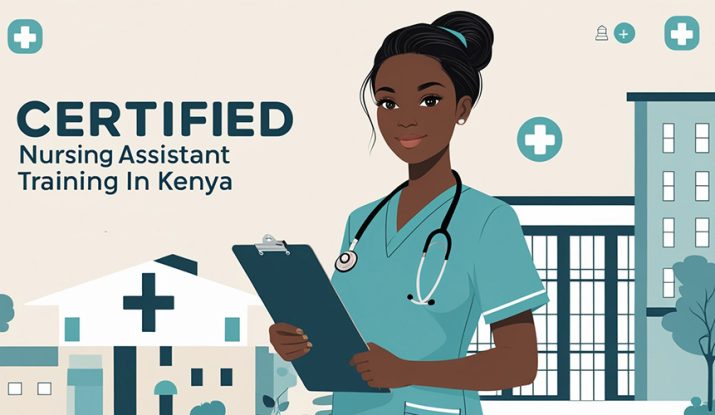
Certified Nursing Assistant (CNA) training in Kenya is one of the fastest and most reliable ways to start a healthcare career without a university degree. With increasing demand for healthcare support staff in hospitals, clinics, and care facilities, CNA graduates are highly sought after both locally and abroad. This 2026 guide explains everything you need to know about CNA training in Kenya, from entry requirements to career opportunities.
Step 1 – Understand What CNA Training Involves
Certified Nursing Assistant training equips students with essential skills to support nurses and doctors in patient care. The course focuses on practical healthcare support, including patient hygiene, vital signs monitoring, mobility assistance, infection control, nutrition support, and communication.
Unlike degree programs, CNA courses are skill-based and hands-on, making them ideal for KCSE graduates seeking quick entry into the healthcare field. Most reputable institutions ensure learners gain real clinical exposure through hospital attachments.
Step 2 – Entry Requirements and Course Duration in Kenya
One major advantage of Certified Nursing Assistant training in Kenya is its accessibility. Most colleges require a KCSE certificate, with no strict grade requirements, making the course open to many school leavers and career switchers.
The duration of course typically takes 3 to 6 months, depending on the institution and training structure. This includes classroom learning and mandatory clinical attachment in hospitals or healthcare facilities, which is critical for skill development and job readiness.
Step 3 – Choose an Accredited CNA Training Institution
Choosing the right institution is essential for quality training and employment success. Some of the best training colleges such as Paula Training Institute offer CNA programs designed to meet current healthcare industry needs. Key factors to look for include hands-on training, qualified instructors, guaranteed internship placement, and career guidance.
Institutions with strong hospital partnerships give students an advantage by ensuring smooth clinical placements and exposure to real healthcare environments.
Step 4 – Internship, Certification, and Job Opportunities
After completing CNA training, students receive certification that qualifies them for entry-level healthcare roles. Internships help graduates gain confidence, professional references, and practical experience.
CNA graduates in Kenya can work in hospitals, clinics, nursing homes, rehabilitation centers, and home-based care. With experience and additional certifications, many also pursue opportunities abroad in countries such as the UK, Canada, Germany, and the Middle East.
Why CNA Training Is a Smart Career Choice in 2026
Healthcare demand continues to grow, making CNA training a stable and future-proof career path. The course is affordable, short, and highly practical. It also serves as a stepping stone for further healthcare training, including nursing and international caregiving roles.
For students seeking quick employment, global opportunities, and meaningful work, Certified Nursing Assistant training in Kenya offers an excellent return on investment.
Conclusion
If you are looking for a practical healthcare course with strong employment potential, CNA training is one of the best options in Kenya today. By choosing an accredited institution, completing your clinical attachment, and gaining hands-on experience, you can confidently start a rewarding healthcare career in 2026 and beyond.
Ready to start your CNA journey? Enroll with a trusted training institution like Paula Training Institute and take the first step toward a successful healthcare career.