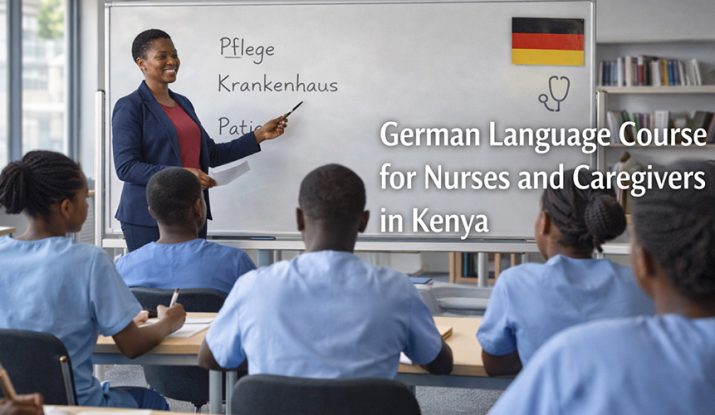
Germany has become one of the most attractive destinations for Kenyan healthcare professionals seeking international career opportunities. Due to its aging population and increasing demand for healthcare services, the country continues to face a shortage of qualified nurses and caregivers. As a result, many German employers and recruitment programs actively seek trained professionals from countries like Kenya. However, before you can take advantage of these opportunities, learning a German language course for nurses and caregivers in Kenya is a critical requirement.
Taking a German language course is one of the most important steps toward building a successful healthcare career abroad. The course prepares you to communicate effectively with patients, colleagues, and healthcare institutions in Germany while also meeting the language requirements for visa and employment programs.
Why Nurses and Caregivers Need German Language Skills
Working in the healthcare sector requires strong communication skills because patient care involves clear interaction, understanding medical instructions, and responding to emergencies quickly. In Germany, hospitals, elderly care homes, and medical institutions operate primarily in German. This means healthcare workers must be able to understand patient needs, medical records, and workplace instructions accurately.
By enrolling in a German language course for nurses and caregivers in Kenya, you gain the language proficiency necessary to function effectively in a professional healthcare environment. The training focuses not only on everyday communication but also on medical vocabulary, workplace conversations, and patient interaction. This significantly improves your chances of securing employment with German healthcare employers who require reliable and well-prepared international staff.
German Language Levels Required for Healthcare Jobs in Germany
Healthcare professionals planning to work in Germany must achieve specific German language proficiency levels before applying for employment or recognition of their qualifications. These levels are based on the Common European Framework of Reference for Languages (CEFR).
Most caregivers and entry-level healthcare assistants are required to reach at least the B1 level, which allows them to communicate effectively in everyday work situations. At this level, you can understand workplace conversations, follow instructions from supervisors, and interact with patients in a basic but functional way.
For registered nurses and more advanced healthcare roles, the B2 level is often required. This level demonstrates stronger language proficiency and allows professionals to communicate confidently with medical teams, understand complex instructions, and manage detailed patient interactions. Achieving B2 also increases your chances of passing qualification recognition programs required for licensed nursing practice in Germany.
Completing a structured German language course for nurses and caregivers in Kenya helps you progress from beginner levels such as A1 and A2 to the professional language levels required for employment abroad.
Career Opportunities After Completing a German Language Course
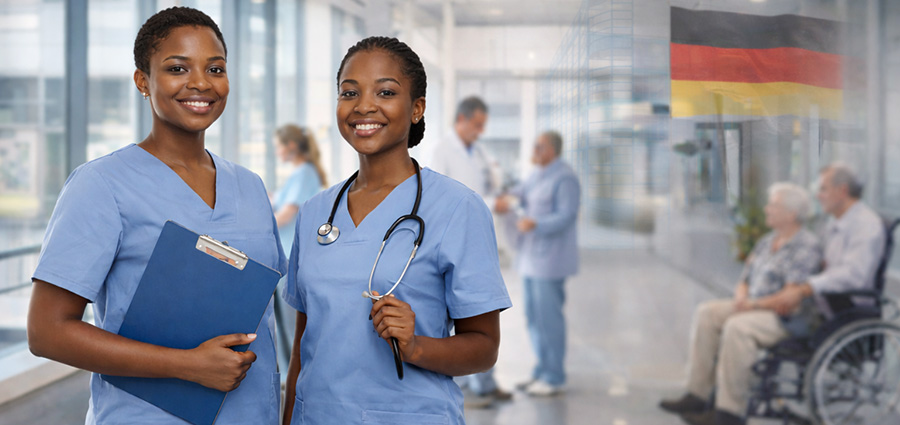
Once you successfully complete a German language course for nurses and caregivers in Kenya, a wide range of career opportunities can become available. Germany’s healthcare sector offers employment in hospitals, rehabilitation centers, elderly care facilities, and home-based caregiving services.
Caregivers are particularly in high demand due to Germany’s aging population, which has created an urgent need for trained professionals who can assist elderly patients with daily living and medical support. Kenyan nurses also have opportunities to work in hospitals and specialized healthcare institutions once their qualifications are recognized by German authorities.
These jobs often come with competitive salaries, structured training programs, and long-term career growth. Many healthcare workers also benefit from stable employment contracts, professional development opportunities, and potential pathways to permanent residency in Germany. As a result, learning German can be a life-changing investment for healthcare professionals who want to expand their careers internationally.
Where to Study a German Language Course in Kenya
Choosing the right institution is an important step when preparing for international career opportunities. A reputable training center should offer a structured German language curriculum that covers all proficiency levels from beginner to advanced, along with exam preparation and speaking practice.
Institutions such as Paula Training Institute (PTI) provide professional German language training designed for students who want to work or study abroad. The program focuses on practical communication skills, grammar development, and preparation for internationally recognized German language exams. In addition to language training, students often receive guidance on career pathways, interview preparation, and the documentation process required for overseas employment.
By studying at a professional institution, healthcare workers can gain the language skills and confidence needed to transition smoothly into international healthcare environments.
Conclusion
Germany continues to offer excellent career opportunities for nurses and caregivers from Kenya, but language proficiency remains one of the most important requirements for employment and visa approval. Enrolling in a German language course for nurses and caregivers in Kenya equips you with the communication skills, professional confidence, and certification needed to work in one of the world’s most advanced healthcare systems.
For healthcare professionals looking to build an international career, learning German is more than just a language skill, it is a gateway to global job opportunities, career growth, and long-term professional success.