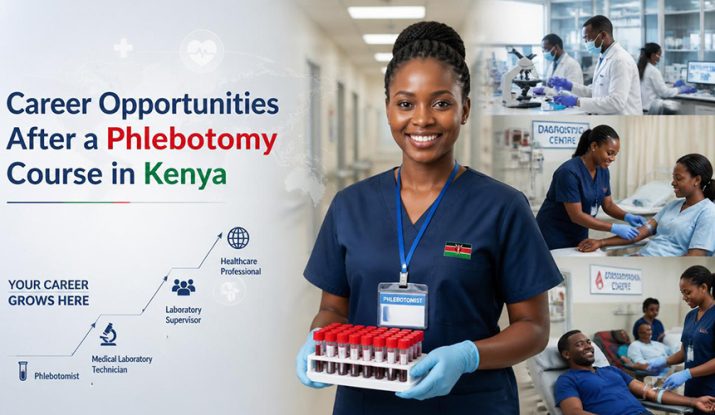
The healthcare industry in Kenya continues to grow rapidly, creating new employment opportunities for skilled medical professionals. Among the most rewarding entry-level healthcare careers is phlebotomy, a profession that plays a vital role in patient diagnosis and treatment.
If you are considering enrolling in a phlebotomy program, you may be asking yourself: What are the career opportunities after a Phlebotomy Course in Kenya? The good news is that trained phlebotomists are in demand across hospitals, laboratories, diagnostic centers, and research institutions, making phlebotomy a practical and marketable healthcare career.
In this guide, we explore the various career paths available after completing a Phlebotomy Course in Kenya, the skills employers look for, salary expectations, and how you can advance your career.
Why Phlebotomy Is a Marketable Career in Kenya
One of the reasons career opportunities after a Phlebotomy Course in Kenya continue to expand is the growing demand for accurate laboratory testing. Nearly every medical diagnosis relies on laboratory investigations, and properly collected blood samples are essential for reliable results.
As Kenya continues to invest in healthcare infrastructure, more hospitals, private clinics, laboratories, and wellness centers require trained professionals who can safely collect, label, and handle blood specimens. This demand makes phlebotomy one of the most practical healthcare careers for individuals seeking quick entry into the medical field.
Career Opportunities After a Phlebotomy Course in Kenya
Graduates of a Phlebotomy Course in Kenya have a wide range of employment opportunities in both the public and private healthcare sectors.
Some of the most common workplaces include:
Hospitals
Both public and private hospitals employ phlebotomists to collect blood samples for medical testing, blood transfusions, and patient monitoring. They work closely with doctors, nurses, and laboratory professionals to support patient diagnosis and treatment.
Medical Laboratories
Diagnostic laboratories rely heavily on qualified phlebotomists to ensure blood specimens are collected correctly before laboratory analysis. Accuracy and professionalism are essential in these environments.
Diagnostic and Imaging Centres
Private diagnostic centres often require phlebotomists to assist with specimen collection for routine health screenings, specialized medical tests, and preventive healthcare services.
Blood Donation Centres
Organizations involved in blood donation programs require trained professionals to collect blood safely from donors while ensuring donor comfort and maintaining strict infection control standards.
Research Institutions
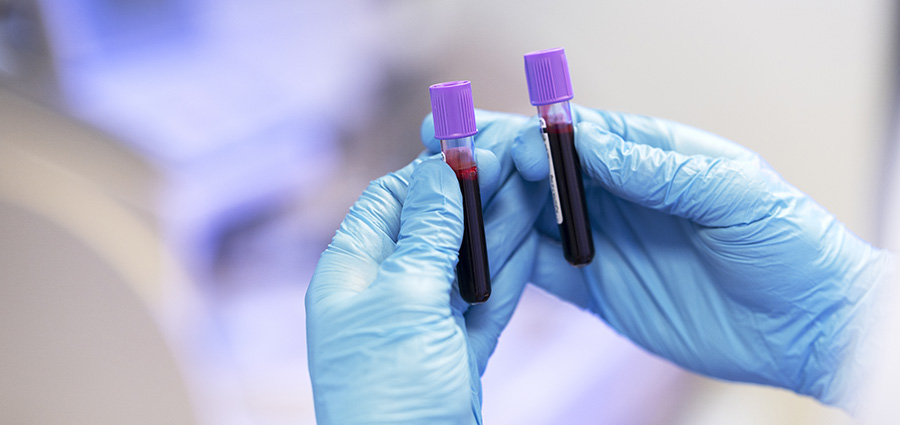
Medical research organizations and universities often recruit phlebotomists to collect specimens for clinical studies and healthcare research projects.
Private Clinics and Medical Centres
Many outpatient clinics employ phlebotomists to support routine laboratory investigations, helping improve patient care and service delivery.
Skills That Increase Your Employability
To improve your chances of securing employment after completing a phlebotomy course, it is important to develop both technical and soft skills.
Employers value phlebotomists who can communicate effectively with patients, collect blood samples accurately, and follow strict infection prevention and safety procedures. Attention to detail, professionalism, compassion, teamwork, and the ability to remain calm under pressure are also essential qualities in healthcare settings.
By combining these skills with practical hands-on training, graduates become more confident, competent, and highly employable in hospitals, medical laboratories, diagnostic centres, blood donation centres, and other healthcare facilities.
Salary Expectations for Phlebotomists in Kenya
The salary of a phlebotomist varies depending on factors such as the employer, location, qualifications, and work experience.
Entry-level phlebotomists typically begin with competitive salaries that increase as they gain practical experience and additional certifications. Professionals working in private hospitals, specialized laboratories, or international healthcare organizations may enjoy even greater earning potential.
While salary should not be the only factor when choosing a career, phlebotomy offers excellent opportunities for long-term professional growth.
Career Growth After Phlebotomy
A phlebotomy course can serve as an excellent foundation for a long-term career in the healthcare industry. After gaining practical experience, many phlebotomists choose to further their education by pursuing courses in Medical Laboratory Science, Nursing, Clinical Medicine, Public Health, or other healthcare-related fields.
With additional qualifications and work experience, graduates can advance into supervisory roles, laboratory management, healthcare administration, or specialized diagnostic services. Continuous professional development not only increases earning potential but also opens doors to broader career opportunities both in Kenya and internationally.
Where to Study a Phlebotomy Course in Kenya
Choosing the right institution is essential for career success. A quality training provider should offer experienced instructors, practical laboratory sessions, clinical exposure, and career-focused education.
Paula Training Institute (PTI) offers practical healthcare training that equips students with the knowledge, technical skills, and confidence needed to work in modern healthcare environments. Students benefit from hands-on instruction that prepares them for employment in hospitals, laboratories, and other healthcare facilities.
Is Phlebotomy a Good Career Choice?
If you are looking for a healthcare profession that offers practical skills, relatively short training, and diverse employment opportunities, phlebotomy is an excellent choice.
The profession allows you to make a direct impact on patient care while building a stable and rewarding career. As healthcare services continue to expand across Kenya, the demand for qualified phlebotomists is expected to remain strong, making it a smart career investment for aspiring healthcare professionals.
Conclusion
The career opportunities after a Phlebotomy Course in Kenya are diverse and continue to grow as healthcare services expand. From hospitals and diagnostic laboratories to research institutions and blood donation centres, qualified phlebotomists play an essential role in delivering quality healthcare.
By enrolling in a reputable institution, gaining practical experience, and continuously improving your skills, you can build a rewarding career in one of Kenya’s most important healthcare professions.