The healthcare sector in Kenya continues to expand, creating demand for skilled professionals in hospitals, laboratories, clinics, and diagnostic centers. One of the most practical and marketable healthcare training programs available today is the Phlebotomy Course in Kenya.
Phlebotomy is the specialized practice of collecting blood samples for laboratory testing, transfusions, research, and medical diagnosis. As healthcare facilities increasingly rely on accurate laboratory results, trained phlebotomists play a critical role in patient care.
If you are considering a healthcare career that offers practical skills, relatively short training duration, and strong employment prospects, this guide will help you understand everything you need to know about pursuing a Phlebotomy Course in Kenya.
What Is a Phlebotomy Course?
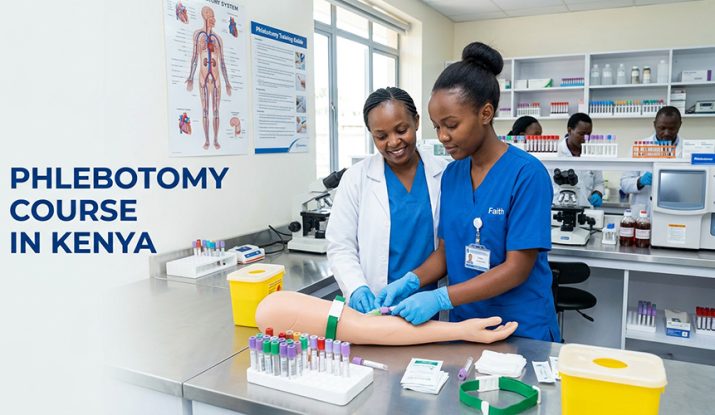
A Phlebotomy Course in Kenya equips students with the knowledge and practical skills required to safely collect, handle, and process blood specimens. The training focuses on patient safety, infection prevention, specimen handling, laboratory procedures, and professional communication.
Students learn how to identify veins, use blood collection equipment correctly, label samples accurately, and maintain strict hygiene standards during procedures. The course combines classroom learning with practical training to prepare graduates for real healthcare environments.
Phlebotomy professionals work closely with laboratory personnel, nurses, doctors, and other healthcare practitioners to support medical diagnosis and treatment.
Entry Requirements for a Phlebotomy Course in Kenya
One of the reasons the Phlebotomy Course in Kenya is popular is its accessibility. Most training institutions require a KCSE certificate as the minimum entry qualification.
Specific admission requirements may vary depending on the institution, but generally, students should possess:
- A KCSE certificate or equivalent qualification
- Good communication skills
- Interest in healthcare and patient care
- Ability to follow medical procedures and safety protocols
Some institutions may have additional requirements, so it is advisable to confirm admission criteria before applying.
How Long Does a Phlebotomy Course Take?
The duration of a Phlebotomy Course in Kenya varies depending on the institution and program structure. Most phlebotomy programs can be completed within a few months, making them one of the fastest pathways into the healthcare industry.
Training typically includes both theoretical lessons and practical sessions, allowing students to gain hands-on experience in blood collection techniques and specimen management.
Because of its relatively short duration, phlebotomy is an attractive option for students who want to enter the healthcare workforce quickly.
Phlebotomy Course Fees in Kenya
The cost of a Phlebotomy Course in Kenya depends on factors such as the institution, training facilities, course duration, and included practical sessions.
Generally, students should expect fees to vary between institutions. When evaluating costs, it is important to consider the value offered, including practical training opportunities, qualified instructors, laboratory access, and career support services.
Rather than choosing solely based on price, students should prioritize institutions that provide quality training and practical exposure, as these factors significantly affect employability after graduation.
Best Colleges Offering Phlebotomy Course in Kenya
When selecting where to study, quality training should be your top priority. The best colleges offering a Phlebotomy Course in Kenya are those that provide practical learning opportunities, experienced instructors, and exposure to healthcare environments.
Paula Training Institute (PTI) is among the institutions committed to providing practical, career-focused healthcare training. Students benefit from hands-on instruction designed to prepare them for real-world healthcare settings.
When comparing colleges, consider factors such as accreditation, practical training opportunities, student support services, and links with healthcare facilities for attachments or internships.
Choosing the right institution can significantly improve your confidence, competence, and employment prospects after graduation.
Career Opportunities After Completing a Phlebotomy Course
One of the biggest advantages of studying a Phlebotomy Course in Kenya is the wide range of employment opportunities available after graduation.
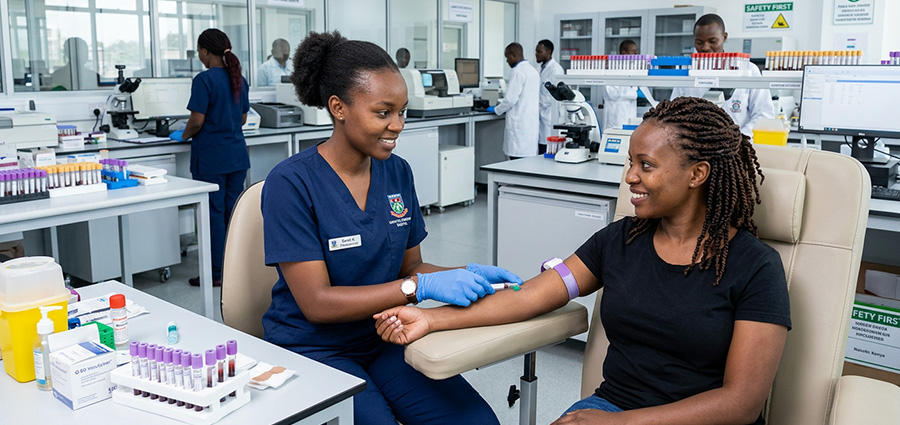
Qualified phlebotomists can work in hospitals, medical laboratories, diagnostic centers, blood donation centers, research institutions, private clinics and public healthcare facilities.
As healthcare services continue to expand, demand for trained professionals who can collect and manage specimens accurately remains strong.
With experience and additional healthcare qualifications, phlebotomists can also pursue advanced career opportunities within laboratory and healthcare services.
Why Phlebotomy Is a Good Career Choice
Phlebotomy offers an excellent entry point into the healthcare industry. It provides practical medical skills, relatively short training periods, and opportunities to work directly with patients.
The course is particularly suitable for individuals who enjoy healthcare environments, patient interaction, and precision-based work. Since laboratory testing plays a crucial role in modern medicine, phlebotomists remain an important part of healthcare delivery systems.
For students seeking a marketable healthcare qualification without spending many years in training, phlebotomy presents an attractive option.
Conclusion
A Phlebotomy Course in Kenya is an excellent choice for students looking to build a rewarding healthcare career. With accessible entry requirements, relatively short training duration, and strong employment opportunities, phlebotomy continues to attract students interested in practical medical professions.
By choosing a reputable training institution and gaining hands-on experience, you can develop valuable healthcare skills and position yourself for long-term career success.